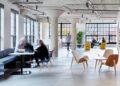
As interior company takes center stage, this opening passage beckons readers with casual formal language style into a world crafted with good knowledge, ensuring a reading experience that is both absorbing and distinctly original.
Interior design plays a crucial role in transforming living and working environments, influencing mood, productivity, and overall well-being. This guide delves into the realm of interior companies, exploring their services, trends, client collaborations, and sustainable practices.
Importance of Interior Design in the Modern World
Interior design plays a crucial role in enhancing living spaces by transforming them into functional, aesthetically pleasing environments that cater to the needs and preferences of individuals. It goes beyond mere decoration to create spaces that are not only visually appealing but also conducive to productivity and well-being.
Impact on Mood and Productivity
Interior design has a significant impact on mood and productivity in different environments. For example, incorporating natural elements such as plants and natural light can create a calming and rejuvenating atmosphere, leading to improved mental well-being and increased productivity. On the other hand, vibrant colors and bold patterns can stimulate creativity and energy in workspaces, fostering a dynamic and inspiring environment.
Successful Transformations in Residential and Commercial Spaces
- Residential: A cluttered and disorganized living room can be transformed into a cozy and inviting space through strategic furniture placement, the use of warm colors, and the addition of personalized decor elements. This transformation not only enhances the visual appeal of the room but also creates a comfortable and functional living area for residents.
- Commercial: An outdated office space can be revitalized into a modern and efficient workspace by incorporating ergonomic furniture, optimizing layout for workflow efficiency, and integrating technology for seamless operations. This transformation not only improves the overall aesthetics of the office but also enhances employee satisfaction and productivity.
Services Offered by Interior Companies
Interior design companies offer a wide range of services to help clients create functional and aesthetically pleasing spaces tailored to their needs and preferences.
Range of Services
Interior design companies typically offer the following services:
- Space planning and layout design
- Color consultation
- Furniture selection and arrangement
- Lighting design
- Material and finish selection
- Custom millwork design
- Project management
Small Boutique Firms vs. Larger Companies
Small boutique firms and larger interior design companies offer similar services, but there are some key differences:
| Small Boutique Firms | Larger Companies |
|---|---|
| Personalized attention and hands-on approach | More resources and larger team of designers |
| Quicker decision-making process | Ability to take on larger-scale projects |
| Unique and innovative design solutions | Access to a wider network of suppliers and contractors |
Tailoring Services to Client Needs
Interior companies tailor their services to meet client needs and budgets by:
- Offering flexible design packages to accommodate different budgets
- Conducting thorough consultations to understand client preferences and requirements
- Providing customizable design solutions based on client feedback
- Collaborating closely with clients throughout the design process
Trends in Interior Design
Interior design trends constantly evolve, reflecting changes in lifestyle, technology, and culture. Keeping up with these trends is crucial for interior companies to stay relevant and offer innovative design solutions to their clients.
Color Schemes
Color schemes play a significant role in interior design, setting the overall tone and mood of a space. Current trends include:
- Neutral tones with bold accent colors
- Earthy hues like terracotta and sage green
- Monochromatic schemes for a sleek and modern look
Furniture Styles
The style of furniture can greatly impact the aesthetic of a room. Popular furniture trends include:
- Mid-century modern pieces for a retro vibe
- Minimalist designs with clean lines and simple forms
- Mixing vintage and contemporary furniture for a unique look
Decor Elements
Decor elements add personality and character to a space
- Biophilic design incorporating natural elements like plants and wood
- Statement lighting fixtures as focal points
- Textured materials like rattan and wicker for added depth
Keeping Up with Evolving Trends
Interior companies stay updated with design trends through:
- Attending trade shows and design exhibitions
- Collaborating with trend forecasters and industry experts
- Regularly researching design publications and online platforms
Influence of Social Media Platforms
Social media platforms like Instagram and Pinterest have a significant impact on interior design trends by:
- Providing a platform for designers to showcase their work and reach a wider audience
- Inspiring homeowners with curated design ideas and DIY projects
- Creating a sense of community among design enthusiasts for sharing ideas and feedback
Collaboration with Clients
When it comes to interior design, collaboration with clients is crucial to ensuring that their vision and requirements are met. Interior companies strive to work closely with clients to understand their needs, preferences, and style in order to create a space that truly reflects their personality and lifestyle.
Understanding Client Vision and Requirements
Interior companies employ various strategies to effectively communicate with clients and manage their expectations. This includes conducting in-depth consultations to understand the client's vision, lifestyle, budget, and any specific requirements they may have. By actively listening to the client and asking the right questions, designers can gain valuable insights that inform the design process.
Incorporating Client Feedback
Client feedback plays a significant role in the design process. Interior companies often present design concepts and ideas to clients for feedback and revisions. This collaborative approach ensures that the final design meets the client's expectations and preferences. By incorporating client feedback, interior companies can create a space that is not only visually appealing but also functional and tailored to the client's needs.
Sustainable Practices in Interior Design
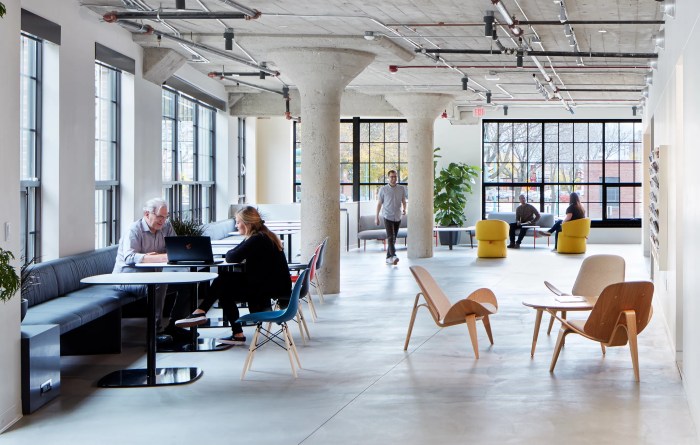
As the world becomes more environmentally conscious, the importance of sustainability in interior design practices cannot be overstated. Interior companies are increasingly integrating eco-friendly materials and practices into their designs to minimize the negative impact on the environment.
Integration of Eco-Friendly Materials
- Utilization of reclaimed wood and recycled materials in furniture and decor pieces.
- Selection of low VOC (Volatile Organic Compound) paints and finishes to reduce indoor air pollution.
- Incorporation of energy-efficient lighting and appliances to minimize energy consumption.
Innovative Sustainable Design Solutions
- Installation of green walls or vertical gardens to improve indoor air quality and reduce carbon footprint.
- Implementation of smart home technology to optimize energy usage and enhance sustainability.
- Designing multifunctional spaces that promote flexibility and longevity in a sustainable manner.
Closing Notes
In conclusion, interior companies are at the forefront of creating functional and aesthetically pleasing spaces that cater to diverse client needs. By staying abreast of trends, prioritizing sustainable practices, and fostering strong client relationships, these companies continue to shape the landscape of modern interior design.
FAQ Compilation
How do interior design companies tailor their services to meet client budgets?
Interior companies often offer customizable packages, prioritize cost-effective solutions, and recommend alternatives that align with the client's budget constraints.
What are some current trends in interior design that interior companies are embracing?
Popular trends include minimalism, sustainable design, biophilic elements, and smart home technology integration.
How do interior companies incorporate client feedback into their design process?
Interior companies value client input through regular meetings, presentations, and design revisions to ensure the final result reflects the client's vision and preferences.